Trump Raises Prospect of Naval Action Near Cuba, but Claims of Havana Port Strike Remain Unverified
WASHINGTON — October 24, 2026 — President Donald Trump's renewed warning about Cuba has raised questions about whether the United States could escalate military pressure on the island. But claims that American forces launched an attack from Guantánamo Bay, set Havana's port ablaze and prompted Cuban retaliation have not been substantiated by credible reporting.
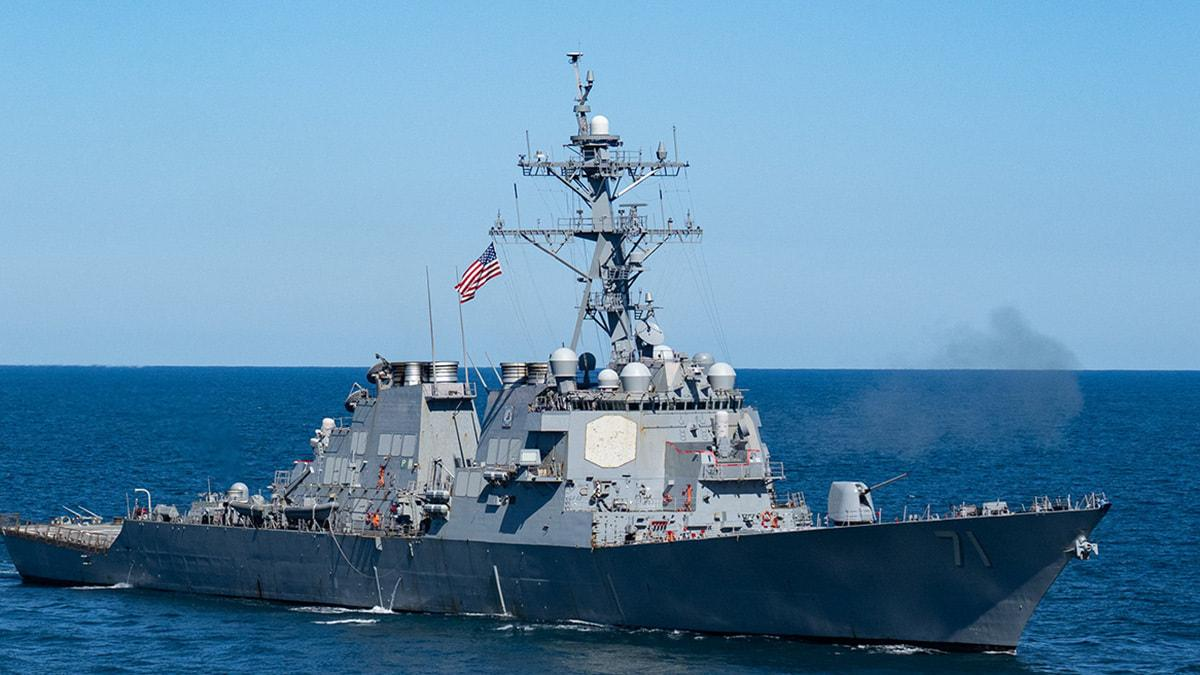
Reuters and the Associated Press reported that Trump discussed sending U.S. warships near Cuba during an October 23 campaign rally in Fort Myers, Florida. Their accounts described a possible future confrontation, not a completed military strike.
The distinction is essential: Trump's remarks are documented, but the alleged attack, Cuban retaliation and plans for a second strike are not. The profane quotation attributed to Trump also lacks an authenticated source.
What Trump Actually Said About Cuba
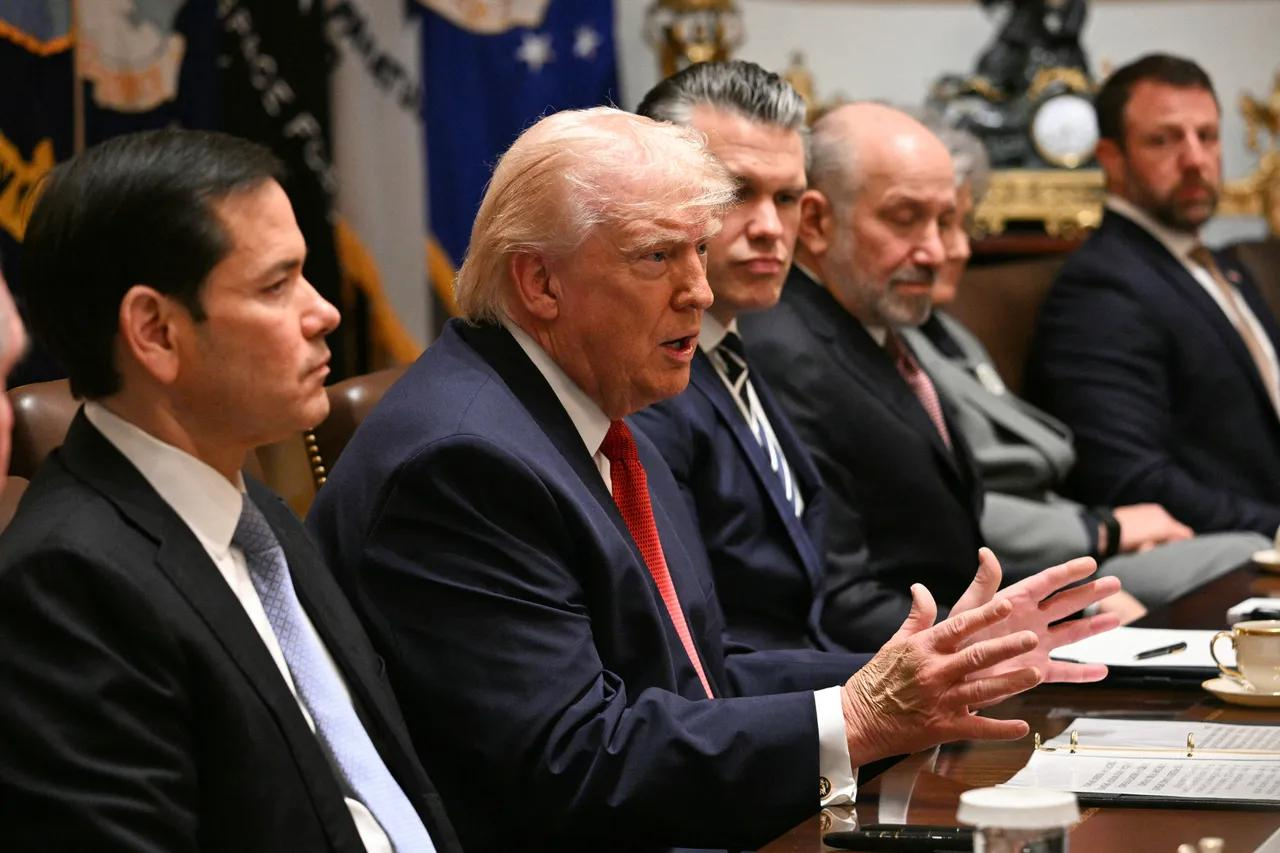
Speaking to supporters in Florida, Trump suggested that American naval vessels returning from operations involving Iran could approach Cuba.
He said the United States would address Cuba after Iran and that Secretary of State Marco Rubio would help complete an agreement.
The comments revived earlier suggestions that Washington might consider military intervention against Cuba's communist government.
However, Reuters reported that Trump had previously predicted the two countries could reach an agreement without military action.
The October 23 remarks therefore signaled possible pressure rather than confirming an attack order.
Neither the White House nor the Pentagon was reported to have announced a strike on Havana in the accounts reviewed.
Did U.S. Forces Attack Havana's Port?
The circulating allegation describes a strike launched from the American naval installation at Guantánamo Bay that supposedly engulfed Havana's port in flames.
No authenticated footage, official damage assessment, verified casualty report or credible news account establishes that such an attack occurred.
Guantánamo Bay is a U.S. naval installation on Cuba's southeastern coast. Its location and military role do not demonstrate that American weapons were launched toward Havana.
A verified attack on the capital's port would have major implications for commercial shipping, civilian safety and international relations.
The available reporting instead concerns Trump's public discussion of possible future naval activity.
How Has Cuba Responded to Washington's Warnings?
Cuban officials have rejected American military threats while maintaining that the island is prepared to defend itself.
In an October 5 interview with Reuters, Lianys Torres Rivera, Cuba's senior diplomat in Washington, said Havana had increased preparations for possible U.S. military action.
She also said the countries maintained communication channels, although they were not engaged in formal negotiations.
Cuba's foreign minister has separately emphasized the government's willingness to pursue dialogue with Washington.
Those statements represent Cuba's response to American pressure. They do not establish that Cuban forces have retaliated against a U.S. bombing of Havana.
No verified Cuban missile launch, naval attack or military counterstrike connected to the alleged port bombing has been documented.
Could Trump Order a Second Strike?
The question of a second strike depends on whether a first attack occurred. No such attack has been independently verified.
Nevertheless, Washington has demonstrated its willingness to increase military and economic pressure on Havana.
During a June visit to Guantánamo Bay, Defense Secretary Pete Hegseth warned Cuba against acquiring weapons capable of threatening the United States or its military installation. He also expressed hope for improved relations.
The administration has imposed additional sanctions and maintained an oil blockade, contributing to fuel shortages and electricity disruptions on the island.
Those measures represent documented pressure, but they are not evidence of an imminent bombing campaign.
What Happens Next?
The next significant developments would include formal naval deployment orders, announcements from the White House or Pentagon, and statements from Cuban authorities.
Any confirmed military strike would require independent reporting on its location, targets and consequences.
For now, the documented confrontation involves Trump's warning, possible naval pressure and Cuba's defensive preparations—not a confirmed attack on Havana or a retaliatory exchange between the two countries.