Trump Threatens New Pressure on Cuba After Iran Conflict, but Personal Vendetta Claim Remains Unproven
WASHINGTON — October 24, 2026 — President Donald Trump has renewed the prospect of American warships approaching Cuba after the conflict with Iran, intensifying uncertainty over Washington's next move in the Caribbean. His remarks came amid continuing Middle East hostilities and economic pressure on Havana, but claims of a completed Iran oil agreement and a personal vendetta against Cuba remain unsupported.
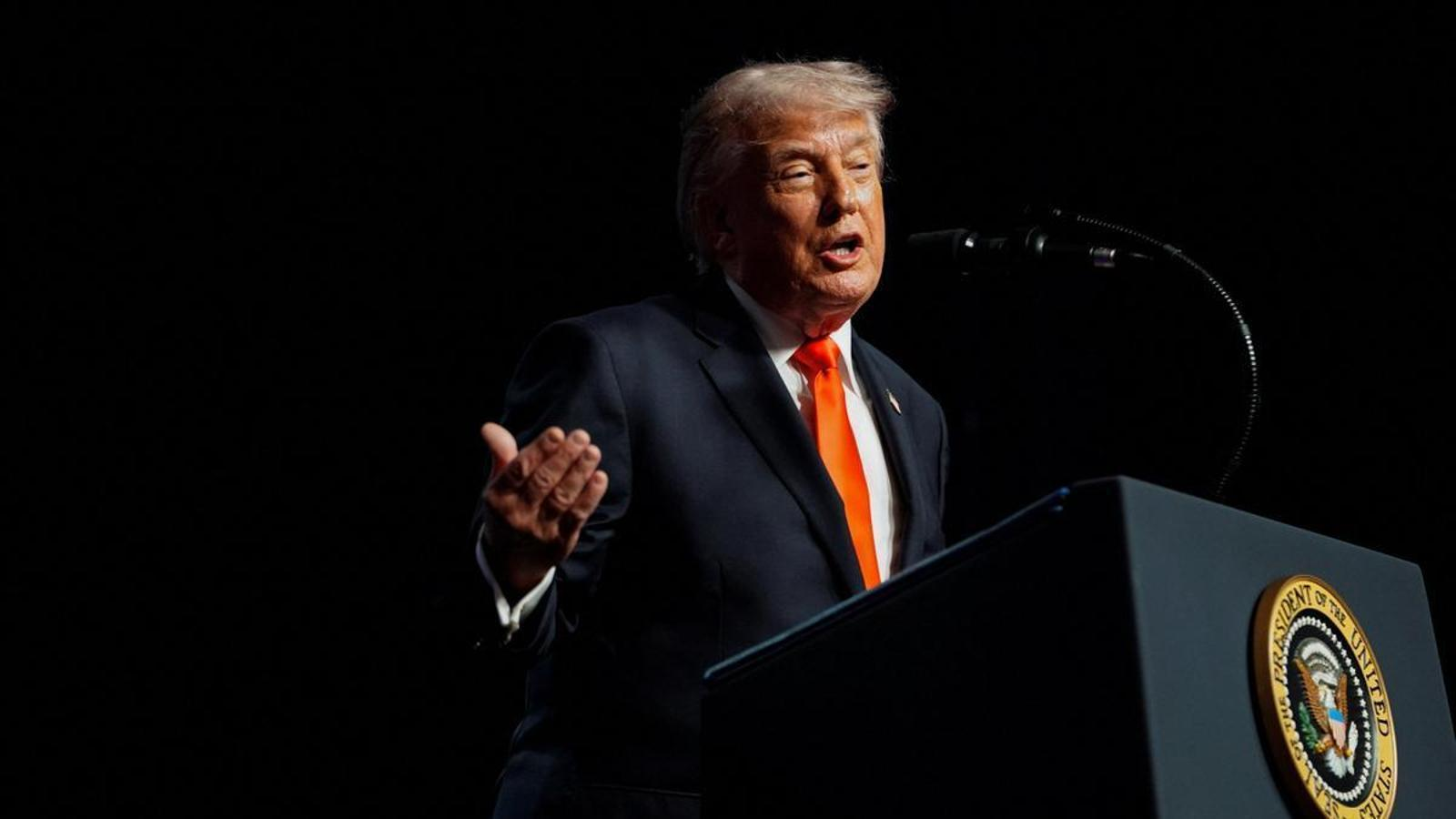
Reuters and the Associated Press reported that Trump made the comments at an October 23 campaign rally in Fort Myers, Florida. He suggested U.S. naval vessels could stop near Cuba before Secretary of State Marco Rubio became involved in reaching an agreement.
The remarks require an important qualification: Trump did not verifiably say “We'll back Iran—Cuba, you're next.” Nor has the administration established that its Cuba policy is driven by a personal grudge.
What Trump Actually Threatened
At the Florida rally, Trump described American warships returning from the Middle East and passing close to Cuba.
He suggested that one vessel could stop approximately 50 yards from the island's coast before Rubio pursued an agreement.
The statement raised the possibility of using military presence to increase diplomatic pressure. It did not establish that American warships were already approaching Havana or that an attack had been ordered.
Trump had previously discussed possible intervention in Cuba, but his September remarks pointed toward a negotiated settlement without military action.
The difference between those statements leaves uncertainty about whether Washington intends to use naval deployments as leverage or pursue a more direct confrontation.
Has an Iran Oil Agreement Changed Washington's Strategy?
The viral claim suggests that a harsh oil agreement has transformed relations between Washington and Tehran, allowing Trump to redirect military attention toward Cuba.
However, Reuters reported on October 23 that the Iran conflict remained unresolved and that Trump had discussed the possibility of further military action.
The war has also contributed to higher oil prices, creating economic and political pressure in the United States ahead of the November 3 midterm elections.
Energy negotiations and maritime restrictions remain important to the wider conflict, but no verified agreement has established that Iran has become a U.S. ally.
There is also no documented provision connecting an Iran oil settlement to military action against Cuba.
Is Trump's Cuba Policy Driven by a Personal Grudge?
The allegation of a personal vendetta goes beyond what the available evidence establishes.
The Trump administration has publicly pursued changes to Cuba's communist government, citing national security concerns, political repression and Havana's relationships with American adversaries.
Rubio, whose parents emigrated from Cuba, has also advocated a tougher approach toward the island's government.
Following Trump's October 23 remarks, Rubio encouraged Cubans seeking political change to take action, including through discreet cooperation with the CIA.
Those positions demonstrate a political and strategic confrontation. They do not establish a private grievance or prove that Trump is seeking revenge for a personal dispute.
No authenticated statement or document reviewed identifies a personal incident driving the president's latest warning.
How Far Could Washington Go Against Cuba?
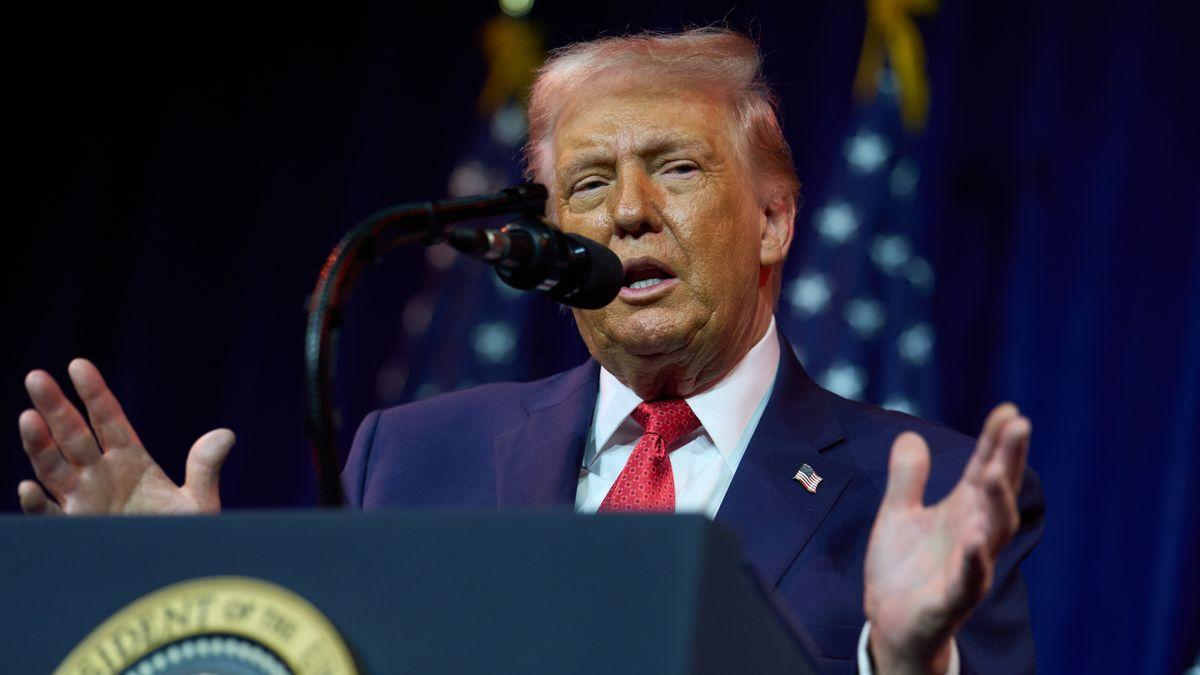
Washington has already intensified economic pressure through restrictions on fuel supplies.
The measures have aggravated shortages and electricity disruptions in Cuba, where aging infrastructure and longstanding economic problems have also weakened the power system.
Cuba's government argues that the restrictions amount to coercion and violate international law. Washington has defended pressure on Havana as part of its policy toward the island's political system.
In September, Cuban Foreign Minister Bruno Rodríguez described the U.S. energy blockade as an act of war. Trump, speaking around the same period, said he believed an agreement could be reached without military intervention.
A naval deployment, additional sanctions or renewed diplomatic negotiations remain possible courses of action. None should be presented as a confirmed next step without an official decision.
What Happens Next?
The immediate questions are whether the Iran conflict moves toward a settlement and whether Washington issues formal naval orders concerning Cuba.
Havana has said it remains open to dialogue, although major differences persist over sanctions and political sovereignty.
For now, Trump's warning signals continued pressure on Cuba, but neither a completed Iran oil deal nor a personal revenge campaign has been established.