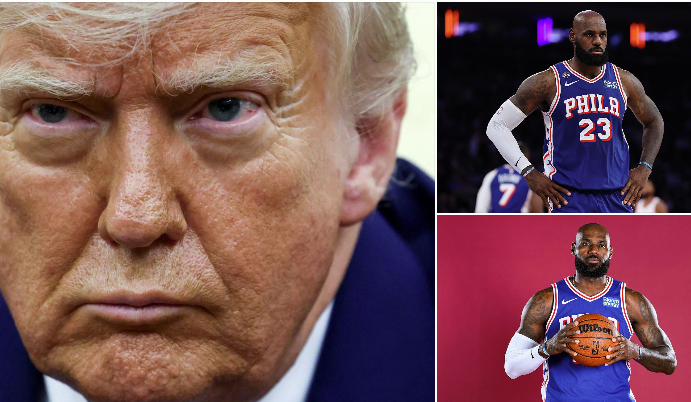
Trump’s Cuba Warning Raises Questions About Iranian Military Ties and Potential Threats to U.S. Navy
WASHINGTON — October 24, 2026 — President Donald Trump's suggestion that American warships could approach Cuba after operations involving Iran has renewed scrutiny of Havana's military relationships and the possibility of a Caribbean confrontation. However, claims that Cuba has announced a new military alliance with Tehran and threatened joint attacks against U.S. forces remain unverified.
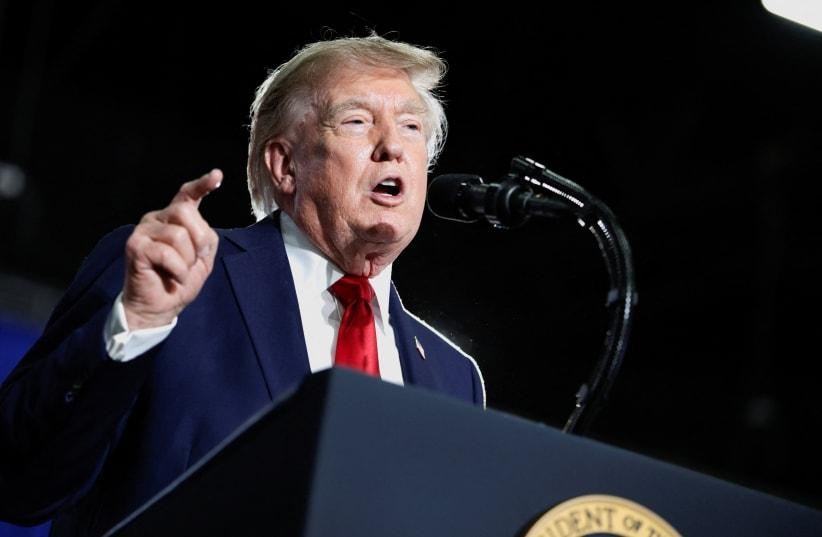
Reuters and the Associated Press reported that Trump discussed Cuba during an October 23 rally in Fort Myers, Florida. Neither report documented a new Cuba-Iran mutual-defense agreement or a military retaliation ordered by Trump in response to such an announcement.
The distinction is significant: Cuba and Iran maintain diplomatic ties, but cooperation between the two governments does not establish a commitment to fight the United States together.
What Trump Actually Said About Cuba
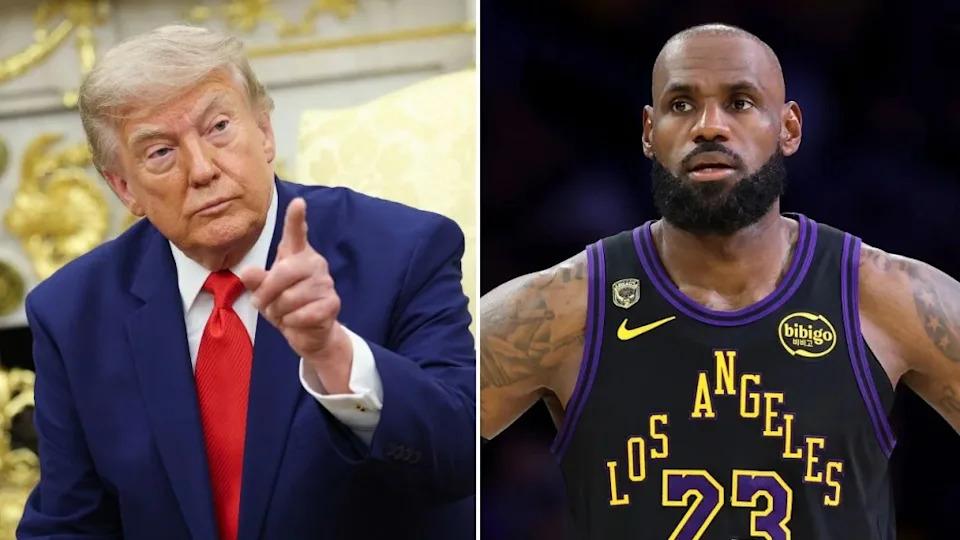
Trump told supporters that Washington would turn its attention to Cuba after addressing the conflict with Iran.
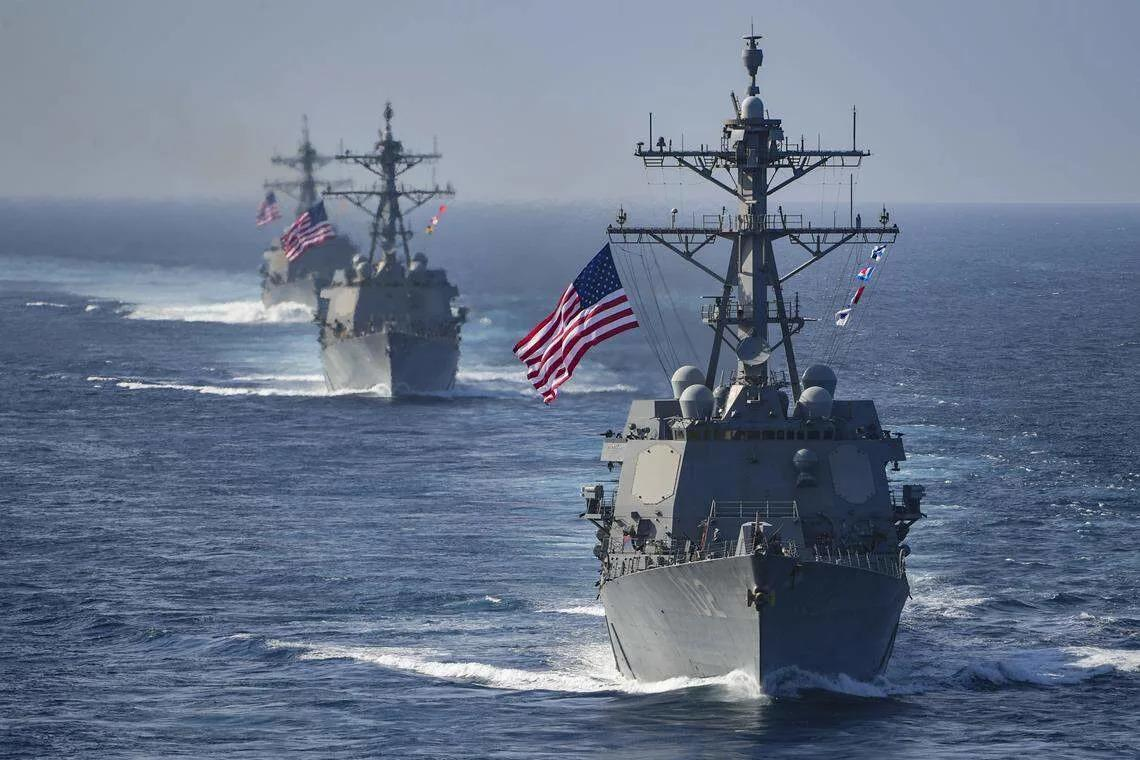
He described American warships passing near the island and suggested Secretary of State Marco Rubio would help conclude an agreement.
The comments revived a possibility Trump had discussed earlier in 2026, although he had also predicted that Washington and Havana could reach an agreement without military action.
Rubio subsequently urged Cubans seeking political change to act and suggested they could pursue discreet cooperation with the CIA.
The administration's statements indicate continued pressure on Cuba. They do not confirm that U.S. warships have received orders to attack the island.
Has Cuba Announced a Military Alliance With Iran?
The central allegation is that Havana has formally pledged to fight alongside Tehran if American forces threaten Cuba.
No authenticated announcement from the Cuban or Iranian governments has been identified establishing such an agreement.
Cuba and Iran have longstanding diplomatic relationships and share opposition to U.S. economic sanctions. But diplomatic support, defense cooperation and a binding mutual-defense commitment are different arrangements.
A formal alliance would raise questions about the obligations accepted by each government, whether military forces would be deployed and how either country would respond to an attack.
None of those terms has been substantiated in the circulating claim.
Without an official declaration or independently verified documentation, the supposed Cuban warning cannot be presented as an established government position.
Could Cuba and Iran Challenge the U.S. Navy?
A separate security concern involves reports that Cuba has acquired military drones from Russia and Iran.
In May, Axios reported, citing classified U.S. intelligence, that Cuba had obtained more than 300 drones. The report said Cuban officials had discussed their potential use against the American naval base at Guantánamo Bay, U.S. vessels and possibly Key West, Florida.
CBS News subsequently confirmed that Cuba had acquired attack drones, although it could not establish their suppliers. Reuters said it could not independently verify the full Axios account.
Drones could complicate naval operations through surveillance or attacks, but their effectiveness would depend on range, payload, targeting and available defenses.
The reports do not establish that Iran has deployed combat forces to Cuba or agreed to coordinate attacks against American ships.
How Has Havana Responded?
Cuban Foreign Minister Bruno Rodríguez rejected the American allegations in May, accusing Washington of manufacturing a justification for further sanctions or intervention.
He said Cuba did not seek war but would prepare to defend itself against external aggression.
In an October 5 interview with Reuters, Cuba's senior diplomat in Washington, Lianys Torres Rivera, said the two countries maintained communication channels without formal negotiations.
She also said Havana had increased defensive preparations while remaining open to respectful dialogue.
These statements show Cuba's opposition to American military pressure. They do not confirm the purported warning that an attack on Cuba would automatically trigger Iranian intervention.
What Has Trump Done in Response?
Trump's administration has already intensified economic pressure on Havana through sanctions and restrictions affecting fuel supplies.
The resulting shortages have worsened Cuba's electricity crisis, although aging infrastructure and longstanding economic problems also contribute to the disruptions.
The administration has also examined military options. CBS News reported in May that U.S. intelligence officials were assessing how Cuba might respond to potential American military action.
But contingency planning is not an attack order.
There is no verified announcement that Trump has launched a retaliatory strike or ordered a new military operation in response to a Cuban-Iranian alliance.
The immediate questions are whether Washington will formally deploy naval forces near Cuba and whether diplomatic contacts can produce an agreement.
For now, the evidence supports a confrontation involving military warnings, reported drone capabilities and economic pressure—not a confirmed Cuban-Iranian defense pact or a U.S. retaliation against one.