Nairobi Building Collapses Raise Safety Concerns as $18 Million Corruption Claim Remains Unverified
NAIROBI, Kenya — October 24, 2026 — A series of building collapses in Kenya's capital has intensified scrutiny of construction approvals, inspections and developer accountability. The latest disaster struck a multistory building in Nairobi's Eastleigh neighborhood on October 23, prompting a rescue operation. But claims that investigators uncovered $18 million in suspicious payments linked to four collapses and 39 additional projects remain unsubstantiated.
Reuters and the Associated Press confirmed the Eastleigh collapse, while Kenya's National Construction Authority has documented an earlier failure in South C. Authorities have raised concerns about construction compliance, but the reports reviewed do not establish the alleged $18 million payment network.
The distinction matters: multiple building failures and regulatory concerns are documented, but a coordinated corruption scheme involving four buildings and 39 additional projects has been verified.
What Happened in Eastleigh?
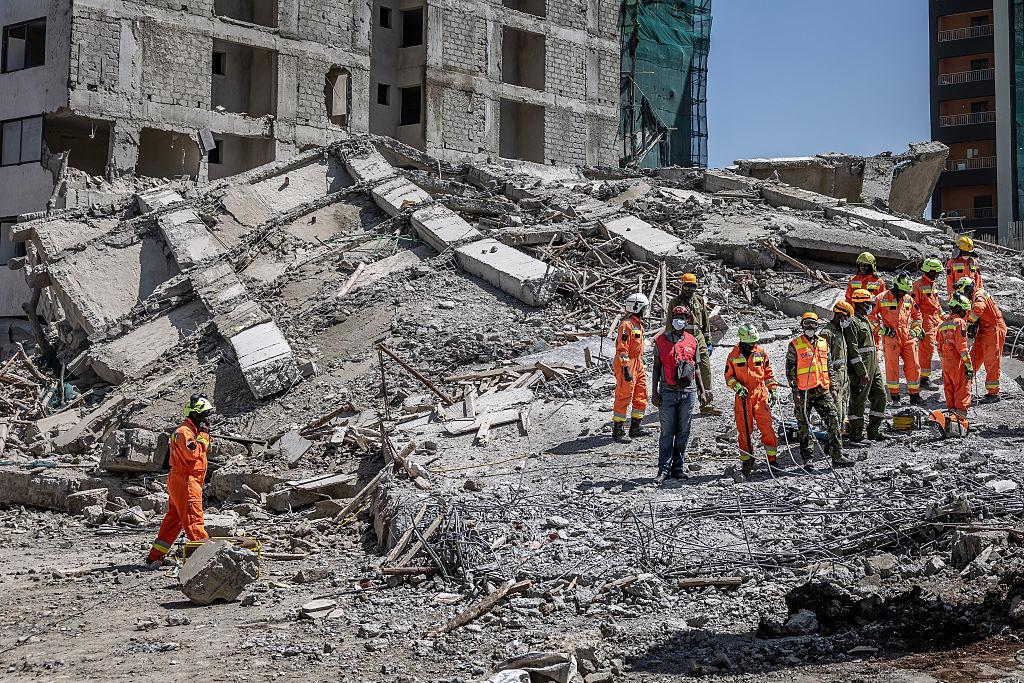
The building collapsed around 1 p.m. Friday along a busy commercial street in Eastleigh, sending concrete floors crashing onto one another.
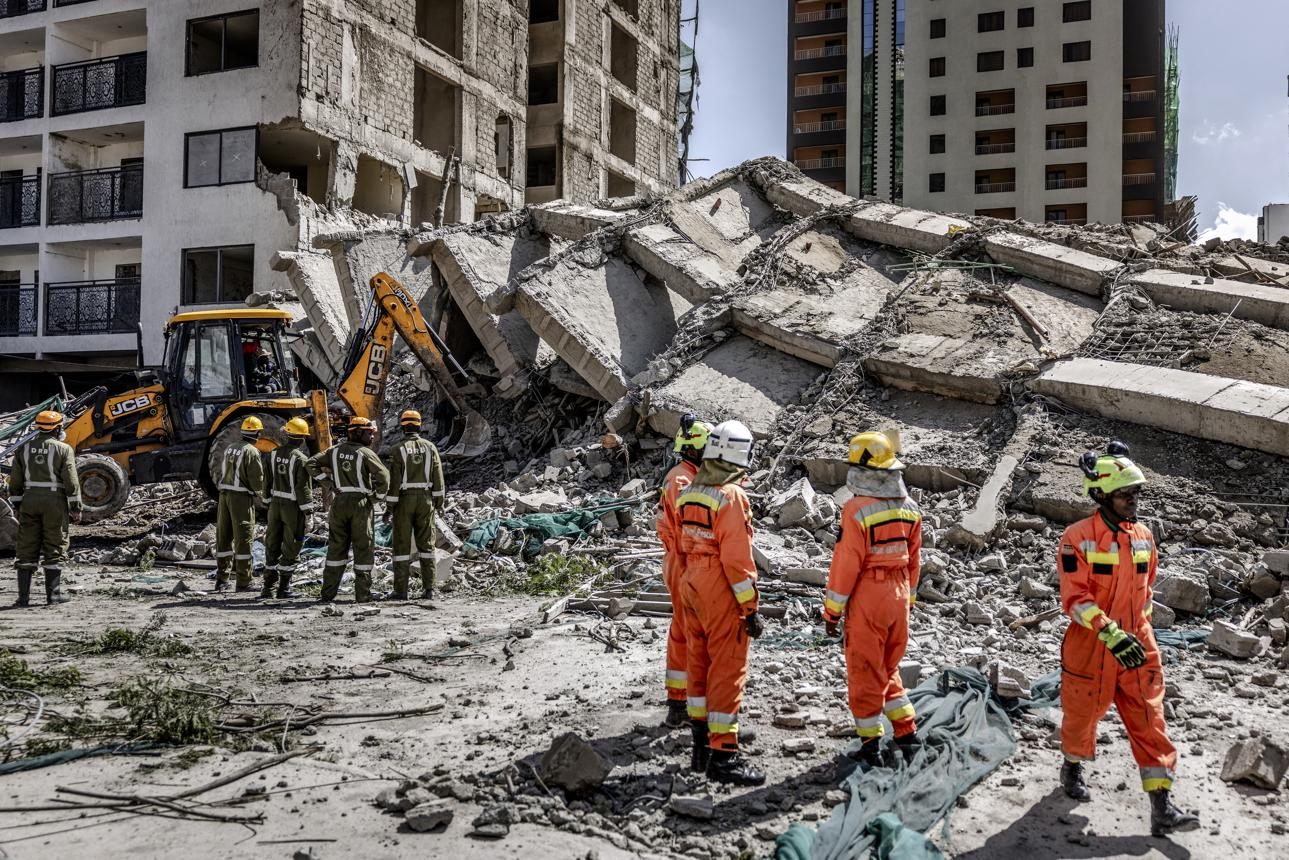
Rescue workers searched the debris for people believed to be trapped. Police struggled to secure access as heavy machinery was brought to the scene.
Nairobi Governor Johnson Sakaja said the building had received construction approval but lacked a certificate permitting occupation.
Despite that restriction, businesses had been operating on the ground floor while construction continued above.
According to an AFP report published late Friday, Interior Minister Kipchumba Murkomen said seven people had been reported missing. The figure remained preliminary as rescue operations continued.
Why Earlier Collapses Matter
Eastleigh was not Nairobi's first major building failure in 2026.
On January 2, a multistory building under construction collapsed in South C. The National Construction Authority subsequently confirmed that the project had been registered and originally met several statutory approval requirements.
However, questions emerged over whether construction exceeded approved plans and whether enforcement notices had been followed.
On October 17, another building collapsed during demolition along Moi Avenue, injuring four workers, one critically.
Local officials said preliminary information suggested that cutting supporting metal beams may have contributed to the failure.
These incidents occurred under different circumstances. Their existence does not establish that the same developer, inspector or payment arrangement connected them.
Where Did the Alleged $18 Million Go?
The circulating allegation describes $18 million moving through suspicious accounts before construction approvals were issued.
However, no authenticated bank records, audit findings, court documents or official investigative statement reviewed for this article establishes those transactions.
There is also no verified evidence identifying a single developer or financial network connecting four Nairobi collapses.
Kenyan construction professionals have previously criticized weaknesses in the approval process, including inadequate inspections and allegations of corruption.
Those concerns are significant, but they cannot substitute for evidence of a particular bribery scheme.
Establishing such a scheme would require investigators to trace specific transfers, identify the recipients and demonstrate a connection to official decisions.
Are 39 More Buildings at Risk?
The claim that 39 additional projects face collapse is similarly unsupported.
No verified inspection list identifies those buildings, their locations or the structural defects supposedly threatening them.
There is, however, broader evidence of construction-compliance problems.
AFP reported that Kenya's National Building Inspectorate found 87% of buildings examined in a nationwide audit failed to meet standards or lacked required approvals.
That figure applies to the buildings audited. It does not mean 87% of all Kenyan buildings are structurally unsafe or likely to collapse.
A missing permit and a dangerous structural defect are also different findings.
Engineers must evaluate individual buildings before authorities can determine whether evacuation, repairs or demolition are necessary.
What Happens Next?
Nairobi police commander Issa Mohamud said investigators would examine the Eastleigh building's ownership, approvals and construction practices. Officials responsible for wrongdoing could face charges if criminal negligence is established.
The National Construction Authority has separately outlined plans for wider compliance audits and stronger oversight following earlier collapses.
For families affected by the latest disaster, rescue operations and the identification of missing people remain the immediate priorities.
The broader question is whether Kenya's construction regulators can identify unsafe developments before another building fails.