More Than 200 Workers Killed or Injured in Fictional Nairobi Collapse as Developer Rejects Compensation
NAIROBI, Kenya — October 24, 2026 — In a fictional scenario involving a 12-story building collapse in Nairobi, more than 200 construction workers are killed or injured, leaving families demanding compensation from the project's developer. The company, identified in the scenario as Skyline Holdings, refuses direct financial responsibility, arguing that the workers were employed by independent subcontractors.
This account is a fictional reconstruction, a report of an actual disaster involving Skyline Holdings. The casualty figures, company statements, internal safety warnings and legal proceedings described below are invented elements of the scenario.
The central question is whether a developer could avoid paying victims' families by shifting responsibility to subcontractors, even when warnings about structural safety allegedly existed before construction continued.
A Collapse Leaves Hundreds of Families Facing Losses
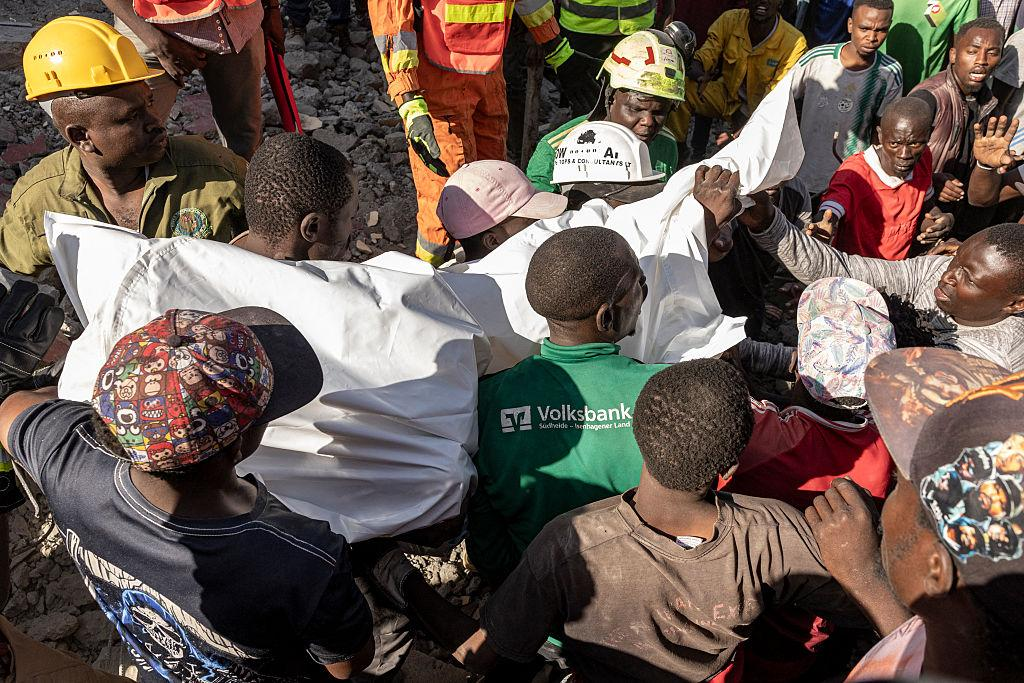
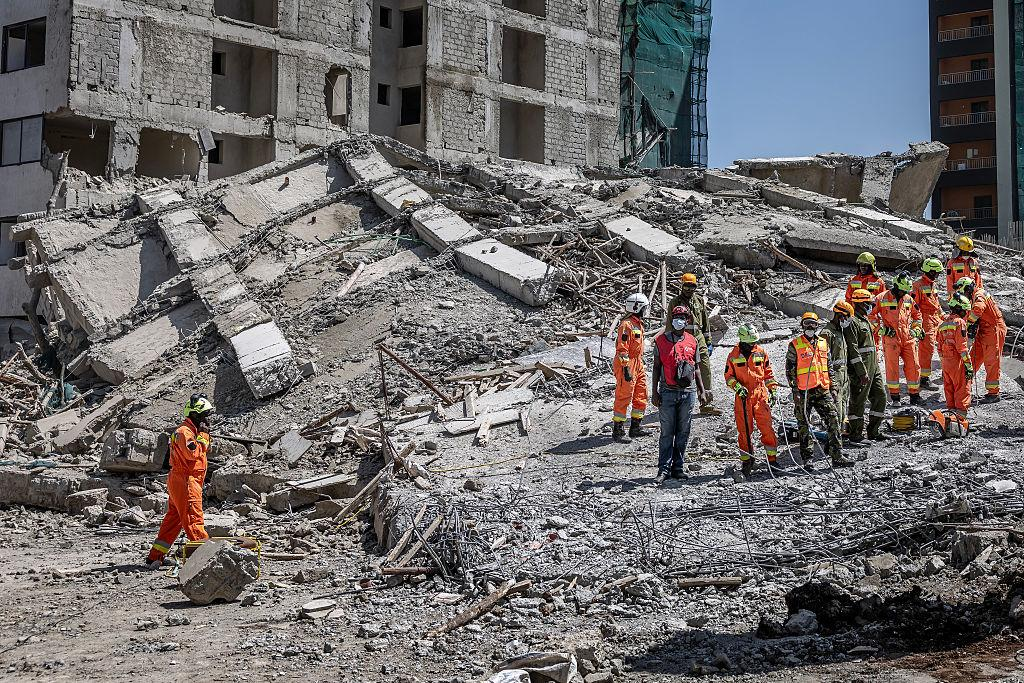
In the fictional account, a 12-story commercial building under construction collapses during a morning shift, trapping workers beneath concrete floors and steel supports.
Emergency crews work through the wreckage as relatives gather outside the site seeking information about missing family members.
The combined death and injury toll exceeds 200, overwhelming nearby hospitals and prompting demands for an independent investigation.
Many workers are portrayed as daily-wage laborers whose households depend on their earnings for rent, food and education.
For families whose relatives were killed, the immediate burden extends beyond funeral expenses. The loss of a primary income can create years of financial hardship.
For injured survivors, treatment costs and the possibility of permanent disability raise additional questions about compensation.
Why Skyline Holdings Refuses to Pay
In the fictional scenario, Skyline Holdings argues that the construction workforce was hired through subcontractors rather than directly by the developer.
Company representatives maintain that employment contracts, insurance arrangements and workplace compensation obligations belong to those subcontracting firms.
The position leaves affected families facing a complicated question: who bears responsibility when workers are injured or killed at a construction site involving several companies?
A subcontracting arrangement does not automatically eliminate a developer's potential legal liability. Responsibility would depend on applicable law, contractual obligations, control over the site and evidence of negligence.
However, families could face lengthy proceedings if each company disputes its role.
The fictional developer's refusal to establish a compensation fund intensifies the dispute while victims wait for financial assistance.
Seventeen Warnings Allegedly Ignored
The scenario takes a more serious turn when investigators uncover 17 fictional safety warnings issued before the collapse.
The documents allegedly identify structural weaknesses, concerns about construction materials and requests for additional engineering inspections.
According to the invented investigative findings, project executives received several warnings but allowed construction to continue.
If comparable evidence emerged in a real case, investigators would need to authenticate the documents, determine who received them and establish whether the warnings concerned defects that contributed to the collapse.
The fictional records create a potential distinction between an unforeseeable accident and a disaster that might have been prevented.
They also raise questions about whether inspectors, contractors or senior management failed to act on information available before the building fell.
A Corporate Restructuring Raises Further Questions
The final development in the fictional investigation concerns the developer's corporate structure.
While rescue operations are still underway, lawyers representing Skyline Holdings allegedly begin proceedings to dissolve the subsidiary responsible for the construction project.
Families fear that the move could leave them pursuing compensation from a company with limited remaining assets.
In the scenario, investigators examine whether funds were transferred to related businesses before the subsidiary's proposed dissolution.
The existence of separate corporate entities would not, by itself, prove wrongdoing. Investigators would need evidence showing whether transactions were legitimate or intended to defeat creditors' claims.
Courts could also examine whether the developer exercised direct control over unsafe construction decisions.
For the fictional families, the central concern is that responsibility could become harder to establish as the companies dispute liability.
What Happens Next?
The scenario ends with families seeking court orders to preserve company records and assets while investigators review the alleged safety failures.
Whether compensation would ultimately be awarded depends on evidence of negligence, contractual responsibility, insurance coverage and applicable Kenyan law.
The unresolved question is not simply why the developer refused to pay, but whether the subcontracting arrangements and proposed corporate dissolution could withstand judicial scrutiny.